![[logo] US EPA](https://www.epa.gov/epafiles/images/logo_epaseal.gif)
Core Principle 2: Watershed management is continuous and needs a multi disciplinary approach
Before we explore this emerging watershed management framework, let's define exactly what we mean by "framework." A watershed framework is simply a lasting process for partners working together. It's a support structure making it easier to coordinate efforts--a structure made of agreed upon standard operating procedures, timelines, and forums for communicating with each other.This is different than a watershed management plan that describes environmental problems, outlines specific restoration and protection actions, and documents where and how actions will be taken and by whom.
Essentially a coordinating management framework leads to coordinated management plans.
The emerging framework isn't one size fits all. It takes as a given that you often need to work at different geographic scales, weigh multiple management objectives, and address unique local concerns.
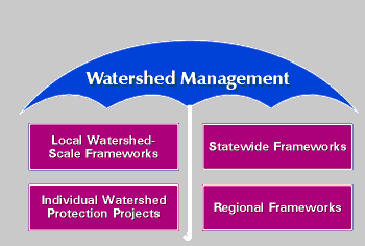
A state agency might be interested in major river basins since it's charged with assessing and managing water quality statewide. A local government wanting to protect its drinking water supply may need to work with neighboring jurisdictions throughout a medium sized watershed. A federal agency may need to implement a multiple use management plan on a watershed in public ownership. A local watershed association may be trying to solve a sedimentation problem in a small watershed. If designed well, the watershed approach links all these initiatives with state, local, and regional frameworks complementing and strengthening each other and individual projects.